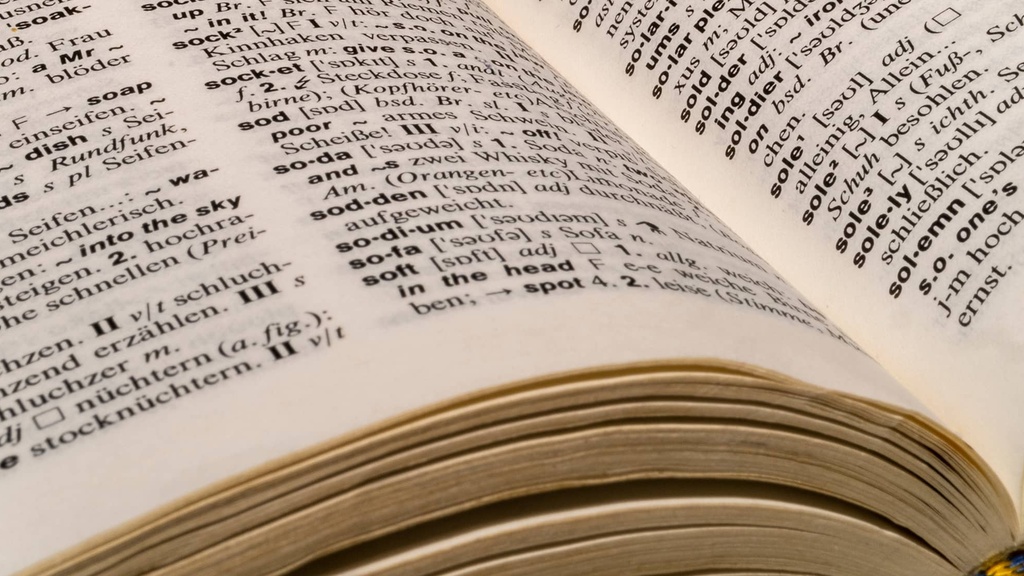
Morphological Transparency: Why Some Word Parts Are Easier to “See” Than Others
Thursday, May 21, 2026
Transparency and opacity describe the relationship between a word and the word parts that make it up—that is, how easy it is to identify the word parts within the larger word.

How to Implement Cognate Instruction
Tuesday, May 19, 2026
Teaching with cognates can help multilingual learners draw on prior knowledge to understand new vocabulary.

Supporting Multilingual Learners Using Related Words Across Languages
Thursday, May 7, 2026
Using shared words between languages, or cognates, can improve reading skills for multilingual learners.

Making Meaning With Morphemes
Tuesday, April 28, 2026
Morphemes are the smallest unit of meaning in language. Morphological ability—using morphemes to produce and understand language—supports both word recognition and language comprehension processes.

Two Buckets, Same Well? The Relationship Between Reading and Writing Automaticity
Tuesday, March 10, 2026
Research shows that reading and writing automaticity are associated in upper-elementary grades, especially among the highest performing writers.

Does Spelling Practice Improve Reading for Students With Dyslexia?
Tuesday, January 27, 2026
Allocating more opportunities to read words with feedback may be more efficient than spelling practice to support multisyllabic word reading for upper-elementary students with dyslexia.

Get to Know Explicit Instruction
Tuesday, December 9, 2025
Implementing explicit instruction techniques makes lessons clear, efficient, and effective.

Literacy Is Every Subject—Social Studies
Tuesday, November 4, 2025
Collaborative strategic reading (CSR) is a research-based, whole-group comprehension strategy that has been linked to improvements in comprehension of expository texts, such as those in social studies classes.

How Does Teachers’ Knowledge of Reading Contribute to Student Learning?
Tuesday, October 21, 2025
An overview of the research on teacher knowledge, the assessments used to measure it, and its impact on student literacy success.

Reconceptualizing Challenges as Learning Opportunities With Caleb Ferring
Tuesday, October 7, 2025
Caleb Ferring is a teacher and wrestling coach in Waukon who discovered he had characteristics of dyslexia after taking the Iowa Reading Research Center’s Dyslexia Overview eLearning module.